Land-Based Education
We believe that some of the most meaningful forms of education happen through direct relationship with the living world.
Our Land-Based Education pillar creates opportunities for people to learn through the land itself—through farming, animal care, food production, traditional skills, ecological observation, and the seasonal rhythms of a working farm. Rather than separating learning from living, we invite people to participate, witness, ask questions, and develop a deeper understanding of the systems that sustain us.
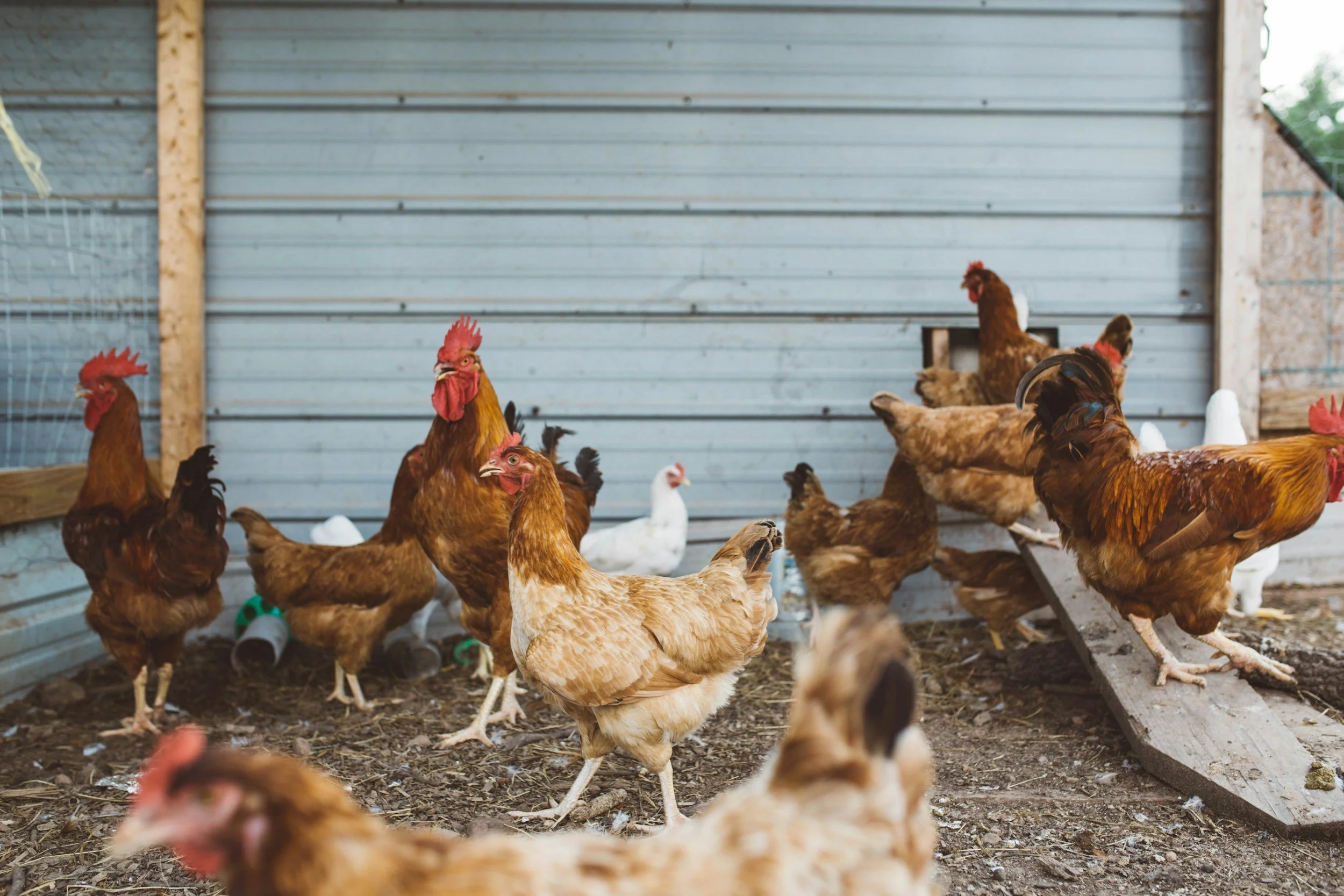
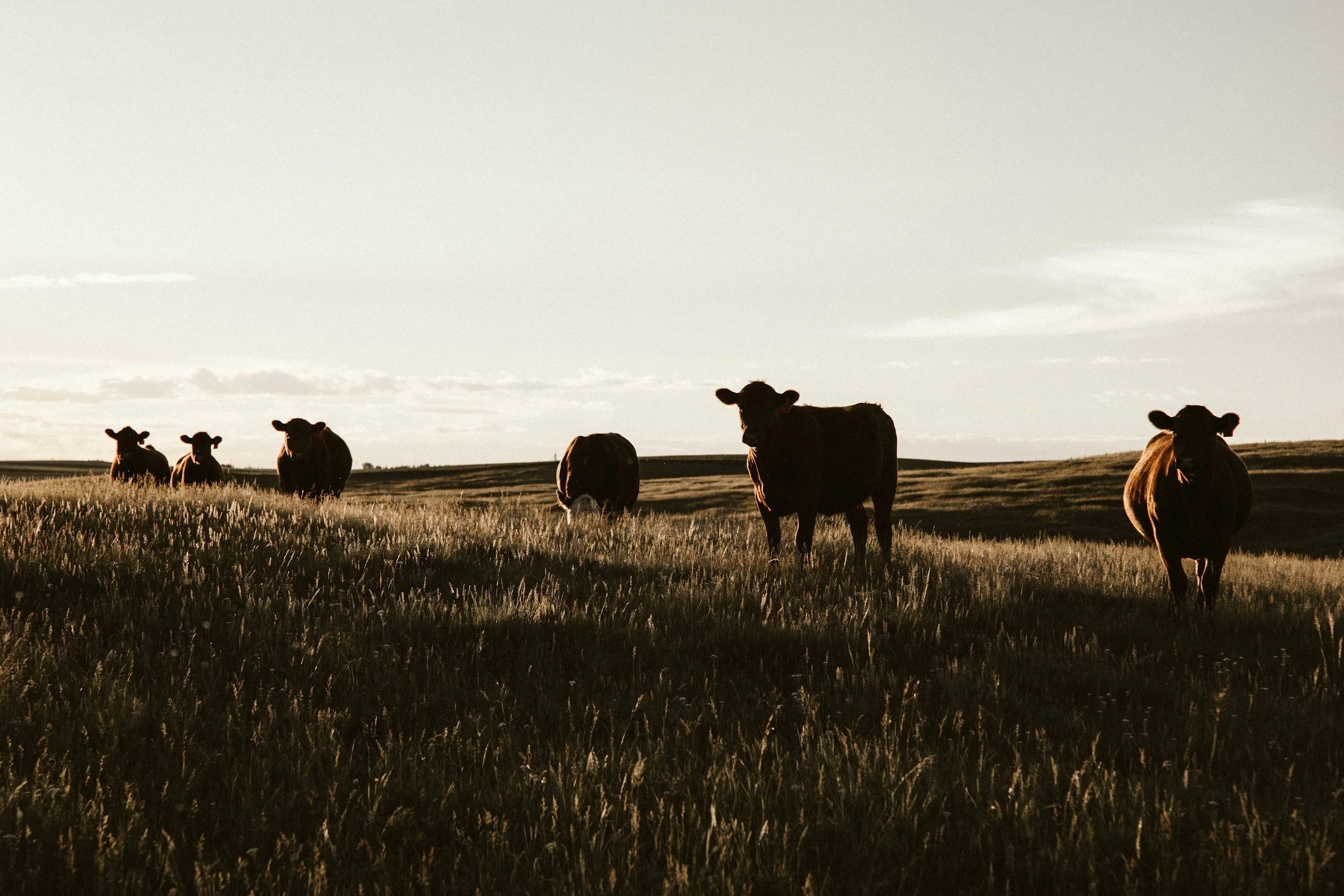
Through workshops, gatherings, demonstrations, farm experiences, and community programs, we share practical knowledge about regenerative agriculture, dairy, food preservation, animal stewardship, land care, and traditional ways of living.
At its heart, Land-Based Education is about restoring a sense of relationship: to soil, water, animals, food, place, and one another. We seek to preserve and share knowledge that is increasingly disappearing while cultivating the curiosity, practical skills, and ecological awareness needed to imagine more connected and resilient ways of living.
We don't simply teach about the land. We invite people to learn with it.
Tenets of Our Land-Based Education
Like a traditional folk school, our land-based education is a community-centered place for learning practical skills, traditional crafts, and cultural knowledge—not for earning degrees or certifications. The emphasis is on learning for life, not for credentials.
We offer:
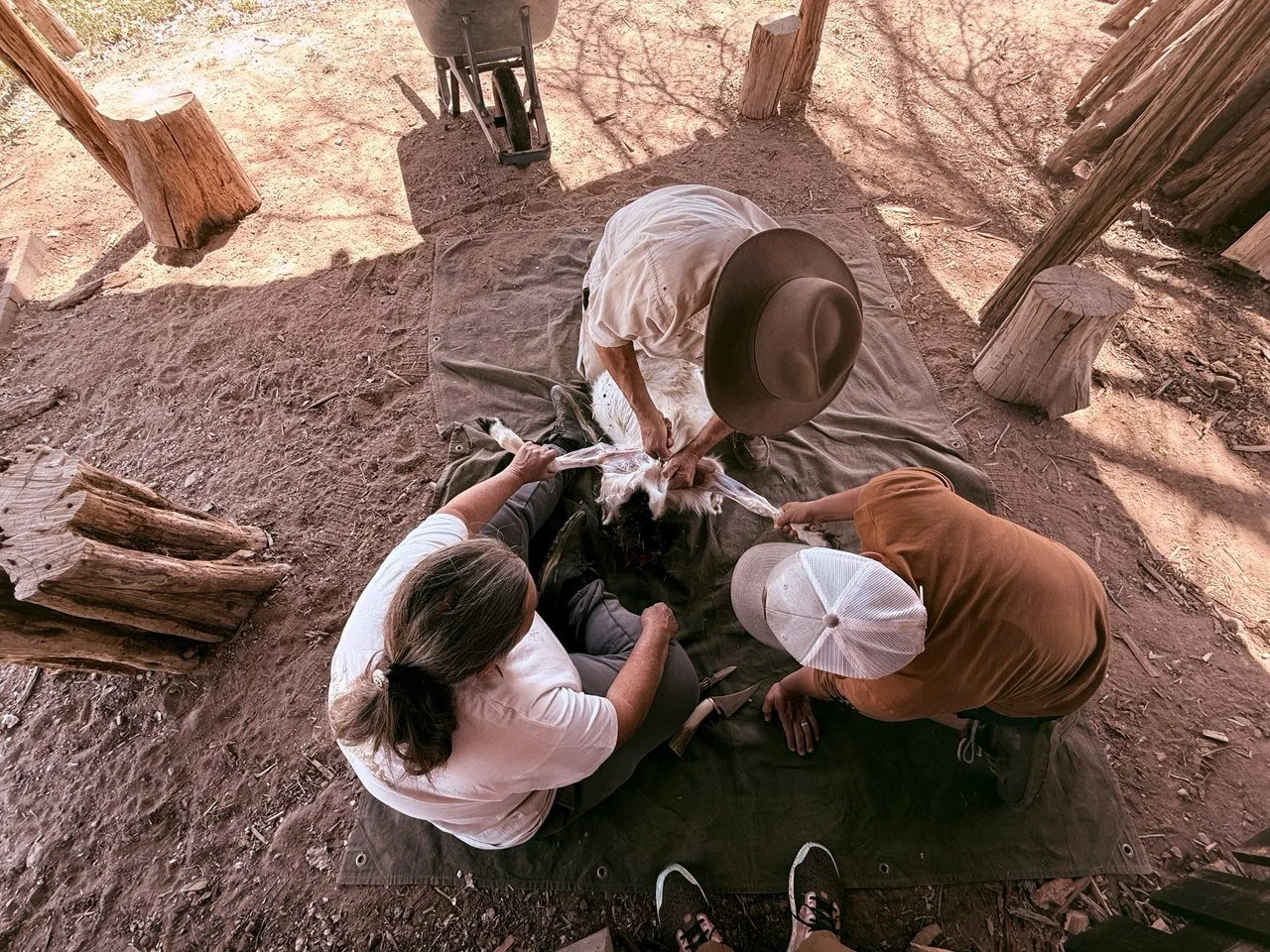
Hands-on learning. You learn by practice; making, building, butchering, dreaming, birthing, singing, cooking, and cultivating ancient ecological skills.
No grades or tests. We are not performance or competition driven. We do not promote climbing ladders, hierarchy, credentialing or traditional licensing.
Community over competition. Everyone has knowledge to share and we honor the sharing of power between facilitator and student. We do not promote hierarchical models of learning and honor the vulnerability of students coming to learn.
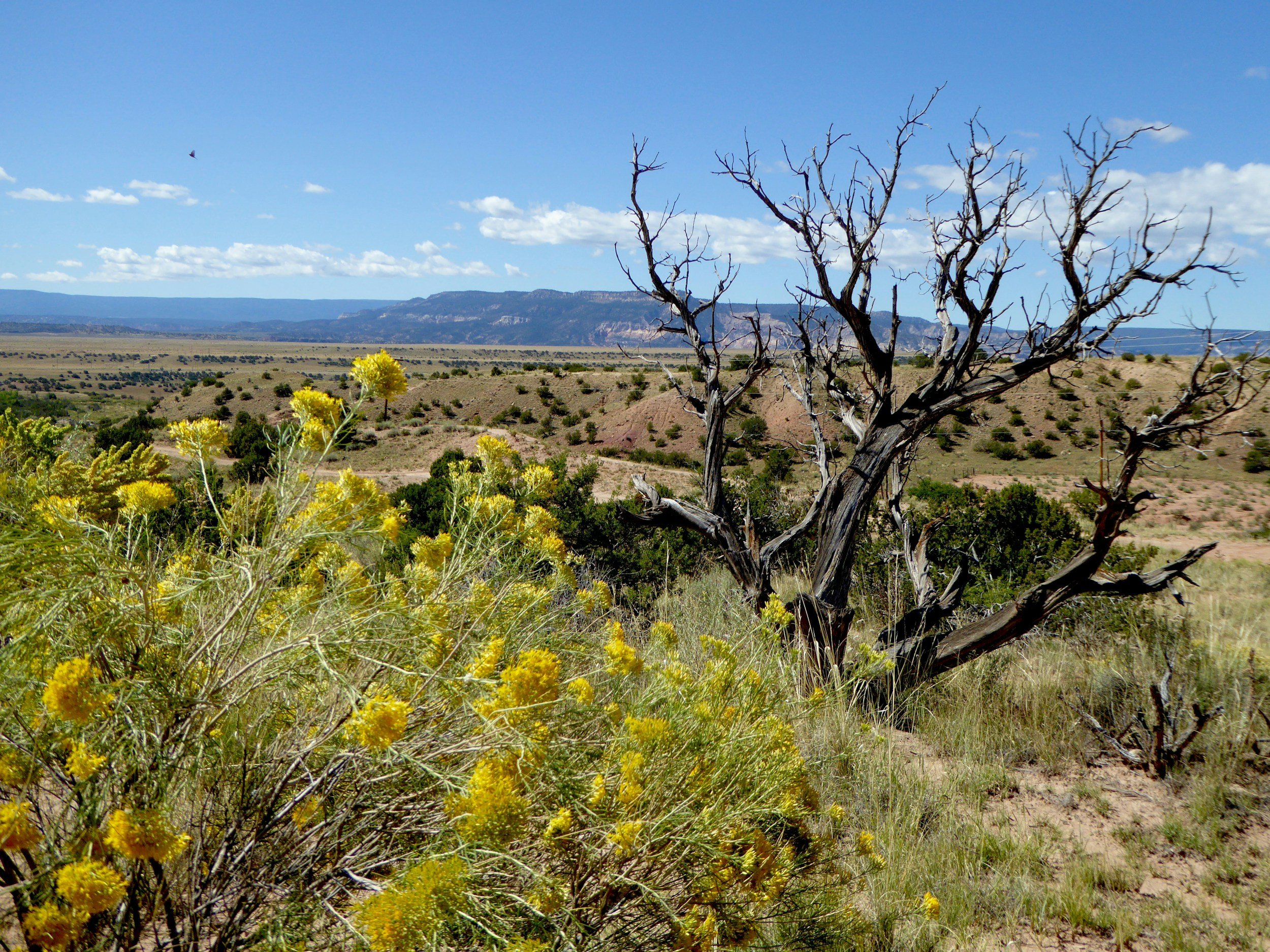
Place-based. Our curriculum grows out of the local landscape, history, ecology, culture, knowledge, and people who are committed to ethical practices of place.